
The rehearsal dinner is the last event before the wedding, and it is the event most often left to organise itself. This is a mistake. The rehearsal dinner sets the emotional temperature of the wedding weekend. A good one settles the nerves of the families and the wedding party. A bad one introduces tensions that the wedding itself must then absorb.
The rehearsal dinner is hosted, traditionally, by the groom's parents. In a modern context, it may be hosted by either set of parents, by the couple themselves, or jointly. The host pays and organises. This is not a potluck. The host should be named on the invitation, and the guests should know whom to thank. If the groom's parents are unable or unwilling to host, the couple may host themselves, but the dinner should not simply be absorbed into the wedding budget without discussion. Clarify the hosting early, in writing if necessary, and the rest will follow.
The guest list. The rehearsal dinner includes the couple, both sets of parents, the wedding party and their partners, the officiant and their partner, and any out-of-town guests who have travelled a significant distance to attend. It does not include every guest invited to the wedding. A rehearsal dinner that grows to the size of the wedding itself is no longer a rehearsal dinner; it is a second wedding, and no one wants two. Keep it intimate. If you wish to include more guests, host a welcome drinks separate from the dinner, and let the dinner remain small.
The tone. The rehearsal dinner is the one event at which the families may relax. The formality of the wedding is suspended. The bride may wear trousers. The groom may wear no tie. The speeches are short, optional, and warm. The father of the groom, if he is the host, may say a few words. The groom may respond. No one else is required to speak. The dinner is an opportunity for the two families to sit together before the wedding and to begin the acquaintance that the wedding day itself will not allow. Use it for that purpose.
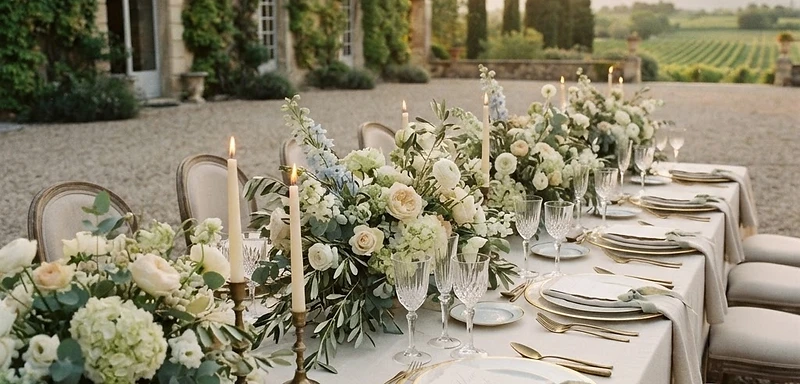
The venue. The rehearsal dinner should not compete with the wedding. If the wedding is at a grand venue with a formal dinner, the rehearsal dinner should be elsewhere — a restaurant, a private room, a garden. The contrast is a kindness. It gives the guests a change of scene and prevents the wedding itself from feeling like a repetition. If the wedding is informal, the rehearsal dinner may be more so. The principle is that the dinner should be simpler than the wedding, never grander.
The timing. The rehearsal itself — the walk-through of the ceremony — takes place before the dinner, usually in the late afternoon. The rehearsal should be brief, no more than thirty minutes, and should involve only the wedding party and the parents. The dinner follows. Do not combine the rehearsal with the dinner in the same venue unless the venue is large enough that the rehearsal does not feel like a performance for the dinner guests. It usually is not.
One final note. The rehearsal dinner is not the occasion for surprises. Do not use it to present gifts that require a speech. Do not use it to introduce announcements that will overshadow the wedding. Do not use it to raise difficult family matters that the wedding day will then have to carry. The dinner is for settling, not for stirring. Let it do its work, and the wedding will begin from a place of calm.